Drip Irrigation vs. Traditional Sprinklers: Which Saves More Water (and Money) in Florida Yards?
Living in St. Petersburg, Florida, means enjoying lush greenery, sandy soils, and a climate that swings from drenching summer rains to dry winter spells. For homeowners and businesses in Pinellas County and the greater Tampa Bay area, keeping landscapes vibrant without wasting water—or running up high utility bills—is a top concern. At Rainwater Services, we’ve been designing, installing, and maintaining irrigation systems since 2007, helping locals navigate Florida’s unique conditions. A common question we hear: Should I choose drip irrigation or traditional sprinklers? Both systems have their strengths, but when it comes to water efficiency, cost savings, and supporting native plants like saw palmettos, the choice matters. Let’s explore the differences, benefits, and environmental impact to help you pick the best system for your Florida yard.
Understanding Drip Irrigation and Traditional Sprinklers
Let’s start with the basics. Drip irrigation delivers water directly to plant roots through a network of tubes, emitters, and valves. It’s a low-flow, precise method, ideal for garden beds, trees, or sparse landscapes. Traditional sprinklers spray water over a broad area, perfect for lawns or large, uniform spaces. In Florida’s humid subtropical climate—where rainfall averages 50-60 inches annually but often comes in bursts—both systems face challenges like evaporation, runoff, and salty coastal air.
Water Efficiency in Florida’s Climate
Florida’s humidity, high groundwater, and sandy soils call for irrigation that minimizes waste. Drip irrigation excels here. By slowly delivering water to roots, it reduces evaporation (a big issue in 80-90°F summers) and prevents runoff on sandy slopes. According to the University of Florida’s IFAS Extension, drip systems can use 30-50% less water than sprinklers for non-turf areas. For native plants like saw palmetto, muhly grass, or coontie, which thrive with minimal water, drip ensures every drop is used effectively.
Traditional sprinklers are great for lush St. Augustine or Bahia lawns common in Tampa Bay but lose efficiency through overspray and evaporation. In humid conditions, a good deal of sprinkler water evaporates before reaching the ground, especially with high-pressure heads. Sprinklers also struggle with uneven coverage on Florida’s fast-draining soils, leading to overwatering in some areas and dry patches in others. Adding rain sensors or smart controllers can improve efficiency, but sprinklers typically use more water—often 1-2 gallons per minute per head compared to drip’s 0.5-2 gallons per hour per emitter.
For a typical St. Pete yard with mixed lawn and native plant beds, drip irrigation can significantly reduce water use, especially when paired with local watering schedules (2-3 times weekly, adjusted for rain). This efficiency translates to lower bills and a lighter environmental footprint.
Cost Comparison: Upfront and Long-Term
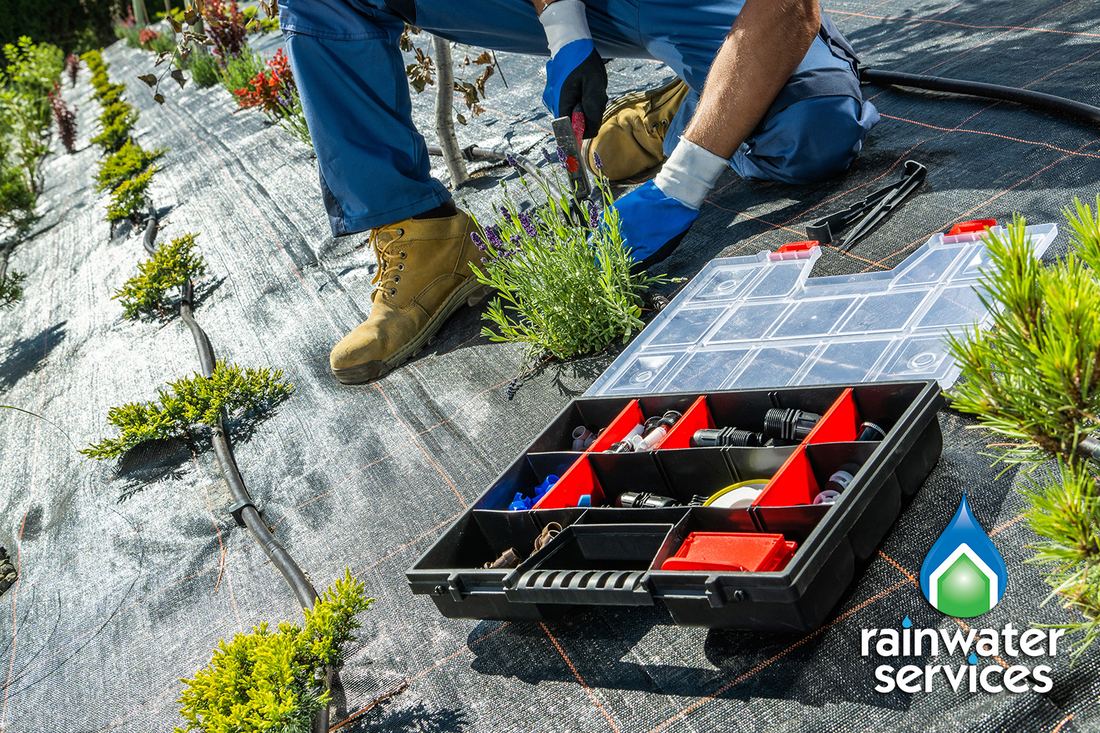
Both systems have different cost considerations. Traditional sprinkler systems, with pop-up heads, piping, and timers, require more materials and labor, especially for large lawns. Maintenance can be ongoing due to issues like broken heads from lawnmowers or corrosion from salty Gulf air. Drip irrigation often has a simpler setup for non-lawn areas, using flexible tubing and emitters, which can be easier to install in garden beds or around native plants. However, drip lines may clog from Florida’s mineral-rich water, requiring periodic checks.
Over time, drip irrigation tends to save more. Its lower water use reduces utility bills, especially during St. Pete’s dry seasons. Drip also extends plant life by preventing overwatering, cutting down on replacement costs for natives like saw palmettos. Sprinklers, while reliable for lawns, can lead to higher water bills and more frequent repairs in coastal areas. For yards with both lawn and native beds, a hybrid system—sprinklers for grass, drip for plants—often balances cost and efficiency. Rainwater Services can tailor either option to your property’s needs.
Native Plants and Irrigation: A Perfect Pair
Florida-friendly landscaping is a St. Pete hallmark, and native plants like saw palmetto, beautyberry, and firebush thrive with minimal water. Drip irrigation is ideal for these. Its targeted delivery matches the low water needs of natives—saw palmettos, for example, require only small amounts weekly once established, far less than grass. Drip also prevents fungal issues in humid climates by keeping foliage dry. A drip setup for a native garden uses significantly less water than sprinklers, promoting healthier plants and less waste.
Sprinklers work well for turf-heavy yards but can overwhelm natives if not zoned carefully. Overwatering saw palmettos can cause root rot, a frequent issue in Tampa Bay. For mixed yards, zoning sprinklers for grass and drip for beds ensures each plant gets the right amount of water. Rainwater Services specializes in these custom setups, keeping your landscape vibrant and efficient.
Environmental Benefits of Water-Saving Irrigation in Tampa Bay
Choosing the right irrigation system goes beyond your yard—it supports Florida’s delicate ecosystems. Tampa Bay’s estuaries, fed by the Gulf of Mexico, depend on balanced groundwater levels. Overwatering from inefficient sprinklers can deplete aquifers or cause nutrient runoff, harming waterways and marine life like manatees and seagrass beds. Drip irrigation reduces these risks by delivering only what plants need, minimizing runoff that carries fertilizers into Tampa Bay. This helps preserve water quality for fishing, boating, and wildlife, a priority for St. Pete’s eco-conscious residents.
Traditional sprinklers, if mismanaged, contribute to erosion on sandy soils, especially after heavy rains. Excess water can also stress native plants, reducing biodiversity. By choosing drip for garden beds or adding smart controllers to sprinklers, you support Florida’s environment while maintaining a lush landscape. At Rainwater Services, we design systems that align with Tampa Bay’s conservation goals, ensuring your property enhances the region’s natural beauty and stays resilient during dry seasons or water restrictions.
Other Factors: Maintenance and Lifestyle
Drip irrigation requires regular checks for clogged emitters, especially with Florida’s hard water. It’s low-maintenance for gardeners who enjoy hands-on control, but setup must be precise to avoid under-watering. Sprinklers make issues like dry patches or broken heads easier to spot, but coastal corrosion and lawnmower damage can increase upkeep. Both systems benefit from smart controllers—Rainwater Services installs weather-based models that adjust for St. Pete’s sudden rains, further reducing water use.
Lifestyle plays a role too. Drip suits those who love native plants and precise control. Sprinklers fit busy HOAs or families wanting lush lawns with minimal effort. A hybrid system often works best for mixed yards, blending both approaches.
Which Should You Choose?
For St. Pete homeowners with native-heavy landscapes, drip irrigation stands out for its water savings, lower long-term costs, and eco-friendly benefits. It’s perfect for saw palmettos, xeriscaping, or small yards where precision matters. Traditional sprinklers are ideal for large lawns or properties needing broad coverage, though they require more water and upkeep in Florida’s climate. A hybrid approach—drip for beds, sprinklers for grass—often delivers the best of both, especially with smart technology.
At Rainwater Services, we’ve transformed countless Tampa Bay yards. Our team can assess your property, recommend the perfect system, and handle everything from design to installation. Curious which option saves more for your yard? Call us at 727-388-2655 for a free estimate in St. Petersburg or Pinellas County. Let’s keep your landscape thriving while saving water and supporting Florida’s environment.