
Sprinkler Repair and Maintenance 101
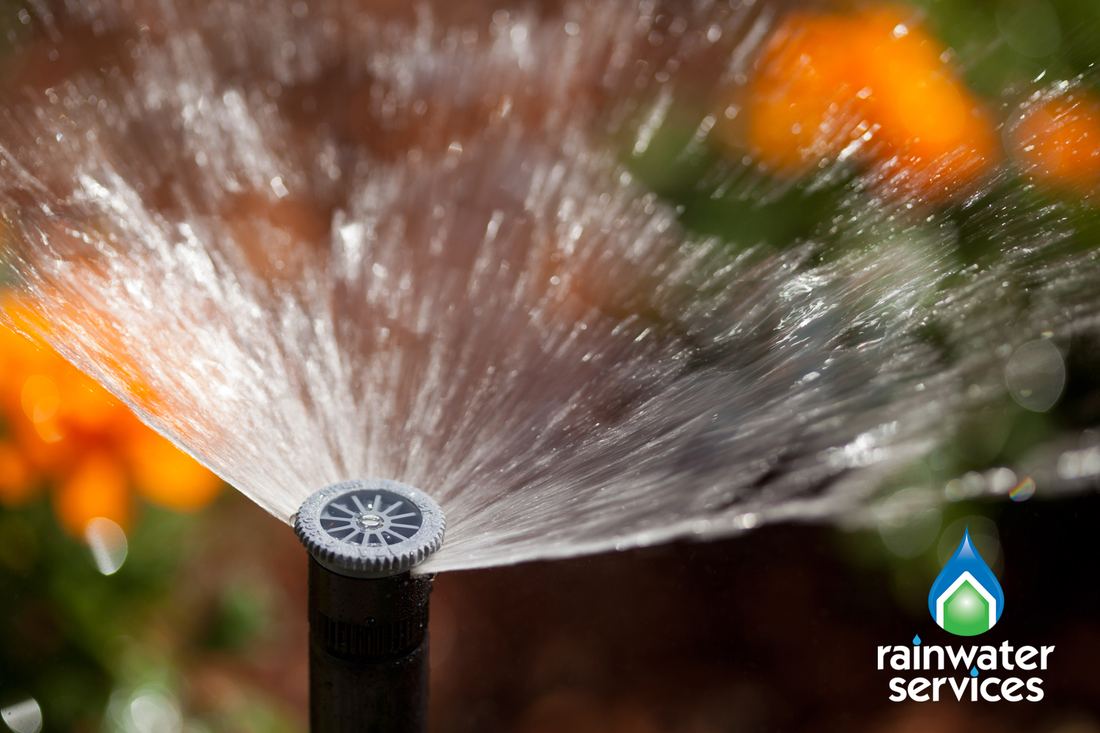
Follow these simple steps to maintain your sprinklers.
Quality sprinkler systems make maintaining a green lawn easy and water-efficient. Their timed irrigation and sprinkler head arrangement assure balanced lawn watering. The system can be adjusted for ideal watering in different seasons and situations. To continue caring for the lawn, they need their own upkeep.
These sprinkler repair and maintenance techniques provide a longer-lasting, smoother system. Some operations require an irrigation specialist, but others can be done with your owner’s manual.
Clean your sprinklers
Dirt and debris can jam sprinkler heads. Clogged sprinkler heads can cause dry, brown areas on the lawn. Maintaining clean sprinkler heads keeps the system working.
Clean sprinkler heads annually to maintain water flow and pressure. To clean sprinkler heads, switch off the irrigation system, remove the nozzle, and soak it. Contact your irrigation system vendor for instructions. Always check for obstructions, such as dry areas and no flow of water, and fix them immediately.
If you find a damaged sprinkler head from the last lawn mowing, take these steps to repair it.
Avoid leaky sprinklers
Like most plumbing difficulties, a minor leak can cause big consequences. Unnecessary water use may raise your water bill and overwater the lawn and garden.
Monitor sprinkler system water flow. Check the water pressure and lawn moisture. If you detect puddles or the sprinkler leaking, respond immediately. For sprinkler maintenance, consult a handbook or an irrigation specialist.
Check valves
Valves usually cause sprinkler leaks. A valve assembly or manifold directs water from its source to the yard using these plastic pieces.
As with any system issue, uneven water pressure and wetter or drier yard sections suggest a valve problem. Check valves in the central valve assembly, sprinkler heads, and coordinating grass regions. Near the home, the core assembly is above or below ground. Check valves for cracks, tears, or other damage.
Fix broken pipes
Water flow depends on good pipes. Water pressure bursts and garden spades and shovels can damage pipes. As with a leak, monitor water flow over the grass for inconsistencies. Pipes may be damaged despite excellent valves and other elements. Repair pipes quickly using the installation guide and other manufacturer materials. Big-box home improvement stores have most replacement items, including
pipes.
Big-box home improvement stores have most replacement items, including pipes.
ALWAYS check the voltage.
Read voltage with a multimeter. Testing a sprinkler system’s voltage shows how well its electrical components—transformer, controller, solenoid, and wiring—are working together. Sprinkler systems use 24 volts, or “24 VAC” on a multimeter, however 22 to 28 is fine. Multimeter testing are simple, but electrical repairs should be done by an electrician or irrigation specialist.
Avoid neglecting transformers
Pipes, valves, sprinkler heads, and water can’t help the lawn without a transformer to power the sprinkler timer. Make it works properly with a good multimeter. This measurement indicates whether the transformer needs replacement. Check the transformer for fraying and keep a check on the system’s operation. Is it on time? If not, the controller may not have enough power to run the system on time.
CHECK to see if connectors are waterproof
Water and electricity are incompatible. Keeping valve wire connections dry prolongs their lifespan and maintains system communications for sprinkler operation. Waterproof connections safeguard sprinkler system wires. Most improvement stores provide waterproof connections for under $1. Installation requires only a twist. Waterproof wire connections and sealants keep the sprinkler system’s electric components dry.
Repair damaged cables
Damaged wires prevent the controller from communicating with the valves and scheduling their opening and closing.
Wiring can be damaged by simple wear and tear. Wire damage is often hidden underground. If the fault is visible or after ruling out other electric concerns, fix or replace the wire promptly. If the condition is severe, an irrigation expert can fix it.
Pay attention to disconnected cables
Detached wires can disrupt a sprinkler system by disrupting controller-valve communication. It is almost as harmful as broken cables. Assess the wire for separation causes including harsh weather or damaged parts.
Reattach wires immediately. Inspect connectors, valves, as well as the controller for reasons the wire disconnected in the first place to avoid it from happening again. Reconnect the original wire according to the owner’s handbook to restore its function. Ensure the wire was not damaged when disconnected.
Change the sprinkler solenoid
Solenoid electromagnets communicate with the controller to open and shut sprinkler system valves, like traffic lights. They may malfunction and create leaks.
Reassembling the valve after replacing the solenoid is required. Some models need many solenoids. For sprinkler solenoid repair and replacement, see the manufacturer’s guide or call an expert.