Winter Water Conservation: Adjusting Your Irrigation System for Florida’s Dry Season and Current Restrictions
As we head into December in the Tampa Bay and St. Petersburg area, Florida’s “dry season” is in full swing. Cooler temperatures and reduced rainfall mean your lawn and landscape need less water, but with the Phase I Water Shortage Order issued by the Southwest Florida Water Management District (SWFWMD) effective from December 1, 2025, through July 1, 2026, conservation is more important than ever. This order, triggered by a significant 13-inch rainfall deficit over the past year and declining water levels in aquifers, rivers, and lakes, prohibits “wasteful and unnecessary” water use while encouraging everyone to minimize irrigation.
While the Phase I restrictions don’t alter existing local watering schedules (which vary by city and county – check your local rules, as places like Tampa and parts of Pinellas often limit to once per week), they emphasize efficiency. Overwatering not only wastes precious resources but can lead to higher bills and potential fines. At Rainwater Services, we’ve helped countless homeowners in St. Pete and Tampa Bay adjust their systems for optimal winter performance. Here’s how you can do the same.
Understanding Winter Dormancy in Florida Lawns
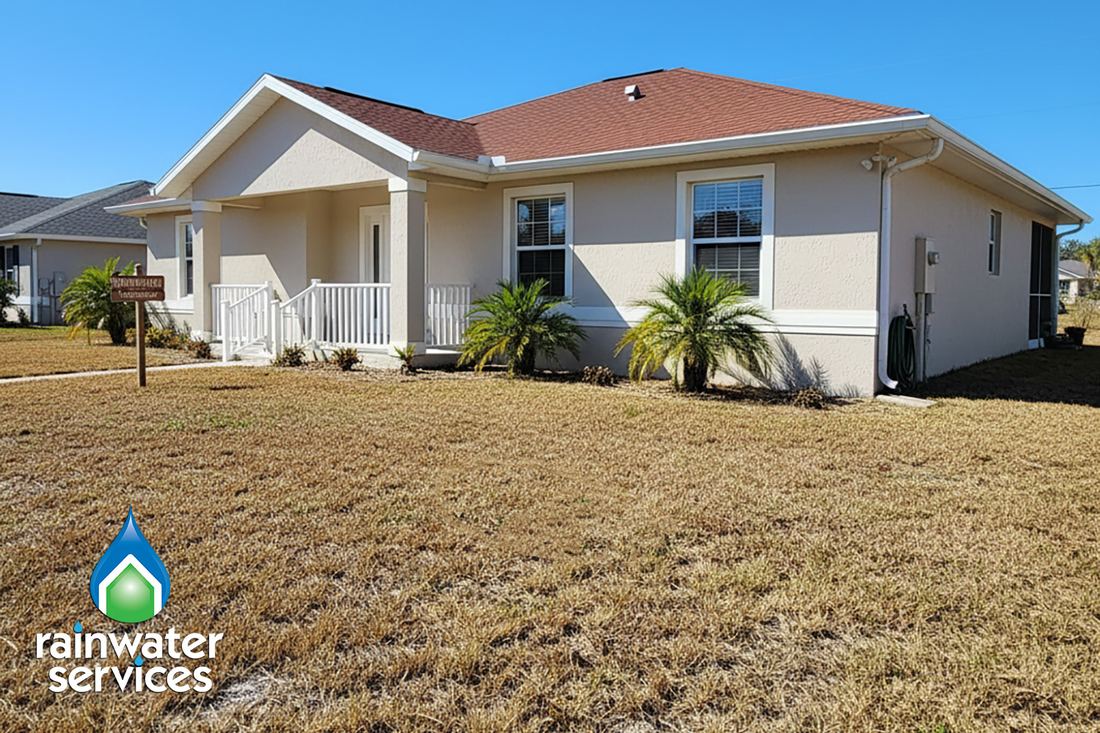
Most lawns in the Tampa Bay area feature warm-season grasses like St. Augustine, Bahia, Zoysia, or Bermuda. These varieties thrive in our hot summers but naturally enter dormancy during cooler winter months (typically November through March). Dormancy is a survival mechanism: growth slows dramatically, and the grass may turn brown or tan as it conserves energy.
This brown appearance is normal and not a sign of trouble – your lawn isn’t dying; it’s resting! During dormancy, water needs drop by 50-70% compared to summer. Overwatering dormant grass can promote fungal diseases, shallow roots, and weed growth. In fact, many healthy Florida lawns require little to no supplemental irrigation in winter if we’ve had occasional rain. Aim for about ½ to ¾ inch of water per week total (from rain or irrigation), and often rain alone suffices.
Key Adjustments for Your Irrigation System This Winter
To comply with the current Phase I restrictions and save water, start with these practical steps:
- Reduce Frequency and Duration Cut back your sprinkler run times. If you’re on a twice-per-week schedule, consider skipping weeks when rainfall occurs. For once-per-week areas, only water if the lawn shows stress (footprints linger or blades fold). Use the “cycle and soak” method to prevent runoff: short bursts with time in between for absorption.
- Inspect for Leaks and Efficiency Walk your system: Check for broken heads, leaks, or overspray onto pavement (a common “wasteful” violation). Even small leaks can waste thousands of gallons monthly. Adjust heads for proper coverage and raise any that are tilted or clogged.
- Install or Maintain a Rain Sensor Florida law requires rain sensors on all automatic systems, and they must be functional. These devices override irrigation after sufficient rainfall, preventing unnecessary watering – a key way to avoid waste under current restrictions.
- Upgrade to Smart Technology Smart irrigation controllers use weather data, soil moisture, and evapotranspiration rates to automatically adjust watering. Many qualify for rebates through Tampa Bay Water Wise programs. Switching to drip irrigation for beds and shrubs delivers water directly to roots, reducing evaporation by up to 50%.
- Winterize to Prevent Damage Though rare in our area, occasional freezes can burst pipes. Insulate above-ground components and drain systems if needed. Also, check drainage to avoid pooling water that attracts mosquitoes or causes erosion.
Additional Tips for a Healthy, Water-Wise Lawn
- Mow Higher: Raise your mower blade to 3-4 inches for St. Augustine. Taller grass shades soil, reduces evaporation, and promotes deeper roots.
- Limit Fertilizer and Pesticides: Dormant lawns absorb less, so hold off until spring green-up to avoid runoff polluting our bays.
- Choose Florida-Friendly Plants: Incorporate drought-tolerant natives or xeriscaping elements for long-term savings.
- Monitor Soil Moisture: Use a screwdriver test – if it pushes in easily 6 inches, no watering needed.
By making these adjustments, you’ll not only comply with the Phase I Water Shortage Order but also lower your water bill and support sustainable resources in our community. Recent data shows outdoor water use accounts for over half of household consumption in Florida – small changes add up!
If your system needs a professional audit, repair, upgrade, or smart controller installation, the team at Rainwater Services is here to help. We’ve served the St. Petersburg and Tampa Bay area for years, specializing in efficient irrigation and drainage solutions. Contact us today and we’ll get you booked in to keep your landscape thriving through the dry season.
Stay water-wise this winter!