Is Your Sprinkler System Running in the Rain? Why Your Rain Sensor Matters More Than You Think
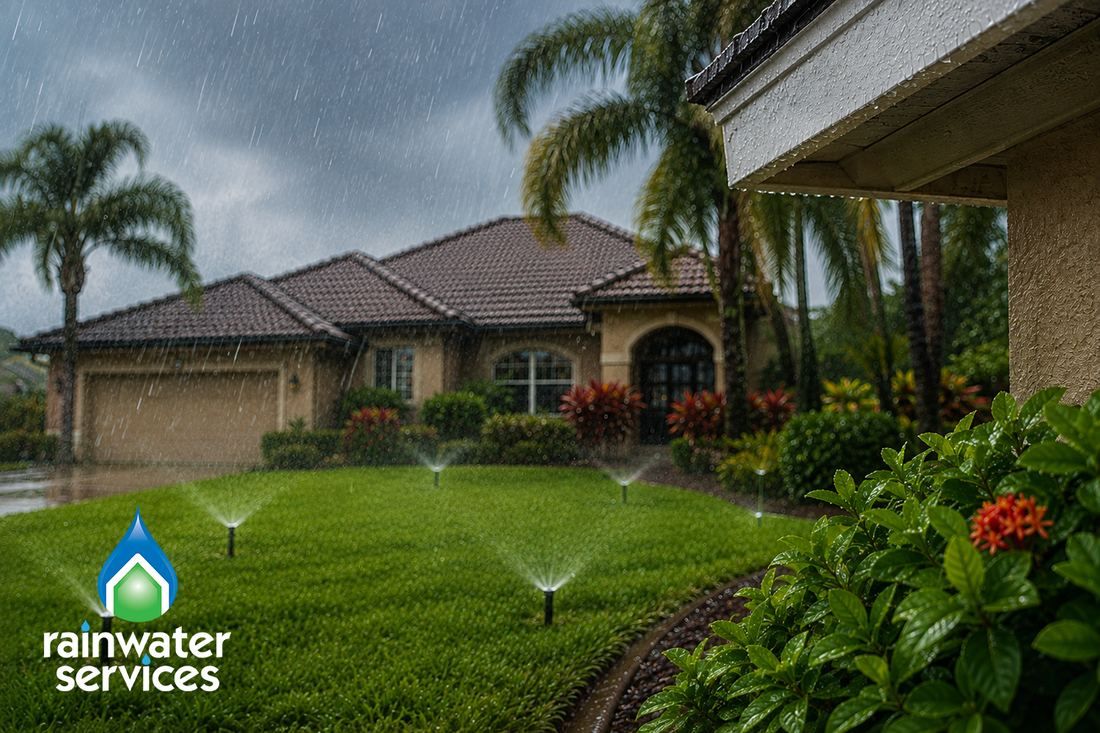
We’ve all seen it: a summer rainstorm rolls through Tampa Bay, soaking lawns, gardens, and landscaping—and somehow, the sprinklers are still running.
Besides looking unnecessary, watering your lawn during or shortly after a good rain can waste water, increase your water bill, and contribute to problems caused by overwatering. If your automatic sprinkler system keeps running regardless of the weather, your rain sensor may not be working properly.
During Florida’s rainy season, a properly functioning rain sensor is an important part of keeping your irrigation system efficient.
What Does a Rain Sensor Do?
A rain sensor, sometimes called a rain shutoff device, works with your automatic irrigation controller. When enough rain has fallen, the sensor temporarily interrupts the scheduled irrigation cycle.
Instead of your sprinklers automatically turning on because it’s Tuesday at 5:00 a.m., for example, the rain sensor tells the system that Mother Nature has already taken care of the watering.
Once conditions dry out sufficiently, the system can return to its normal operation.
It’s a simple device, but it can make a big difference in how efficiently your irrigation system uses water.
Florida Irrigation Systems Need a Working Rain Shutoff Device
A working rain sensor isn’t just a nice feature to have in Florida.
Florida law requires automatic landscape irrigation systems to use technology that prevents or interrupts irrigation when there is sufficient moisture.
For Tampa Bay homeowners, this is especially important during our summer rainy season, when a sunny morning can quickly turn into a heavy afternoon thunderstorm.
In Pinellas County, watering during or after rainfall is considered wasteful and unnecessary water use, and irrigation systems are required to have an operating rain sensor or soil moisture sensing device.
Signs Your Rain Sensor May Not Be Working
The most obvious warning sign is simple: your sprinklers are running during or shortly after significant rainfall.
However, there are other things you may notice around your property:
- Your irrigation system follows its programmed schedule regardless of recent rain.
- Areas of your lawn remain constantly wet or soggy.
- Water runs from your lawn onto sidewalks, driveways, or streets.
- Your lawn develops yellowing areas or signs of excessive moisture.
- You notice an unexplained increase in outdoor water use.
- Your irrigation system seems to be running much more frequently than necessary.
Sometimes the problem isn’t the irrigation schedule itself. The controller may simply not be receiving the correct signal from the rain sensor.
Why Rain Sensors Stop Working
Like other outdoor irrigation components, rain sensors are exposed to Florida’s heat, humidity, sun, wind, and storms year after year.
Over time, a sensor can become dirty, damaged, incorrectly positioned, disconnected, or simply wear out.
Location matters, too. A rain sensor needs to be exposed to actual rainfall. If it is blocked by a tree, roof overhang, or another structure, it may not receive the same amount of rain as your lawn.
Problems can also occur with wiring, wireless connections, controller settings, or the sensor itself.
That’s why periodically checking your rain sensor should be part of routine irrigation system maintenance.
Too Much Water Isn’t Better for Your Lawn
When Florida homeowners see unhealthy grass, the first reaction is often to assume the lawn needs more water. But overwatering can be just as problematic as underwatering.
Frequently applying too much water can encourage shallow root growth and increase the likelihood of certain turf diseases and other lawn problems. A healthier irrigation strategy is to give your landscape the water it actually needs rather than simply allowing the sprinkler system to run on the same schedule regardless of weather conditions.
During Tampa Bay’s wet season, rainfall should always be part of that equation.
A Working Rain Sensor Can Save Water and Money
Every irrigation cycle your rain sensor prevents after adequate rainfall represents water you didn’t need to use.
Over an entire Florida rainy season, those unnecessary irrigation cycles can add up.
A properly operating rain sensor can help:
- Reduce unnecessary water use
- Lower irrigation-related water costs
- Reduce wear and tear on sprinkler system components
- Minimize runoff
- Reduce problems associated with overwatering
- Keep your irrigation system operating more efficiently
It’s one of the simplest ways to make an automatic sprinkler system a little smarter.
When Was the Last Time Your Irrigation System Was Checked?
Your rain sensor is only one part of your irrigation system.
Broken or misaligned sprinkler heads, leaking valves, damaged pipes, incorrect controller settings, clogged nozzles, pressure problems, and poor coverage can all cause your system to waste water or leave areas of your landscape improperly watered.
A professional irrigation inspection can identify these issues and make sure your system is working efficiently for your property and the current season.
Let Rainwater Services Check Your System
If your sprinklers are running during rainstorms—or you simply haven’t had your irrigation system inspected recently—now is a great time to have it checked.
Rainwater Services provides professional irrigation system inspections, repairs, maintenance, and water-management solutions throughout the Tampa Bay area.
We’ll help make sure your rain sensor and irrigation system are working together to give your landscape the water it needs—without wasting water when Florida’s summer rain has already done the job.
Stop watering when Mother Nature already has it covered.
Contact Rainwater Services today at 727-388-2655 or book an appointment online to have your irrigation system checked.