Maximizing Rainwater: Innovative Solutions for Sustainable Water Management
In the face of growing global concerns about water scarcity, sustainable water management is more crucial than ever. Rainwater harvesting emerges as a key strategy in this context, offering significant environmental and economic benefits. This blog post explores several innovative solutions that enhance the effectiveness of rainwater utilization in both residential and commercial settings.
Understanding Rainwater Harvesting
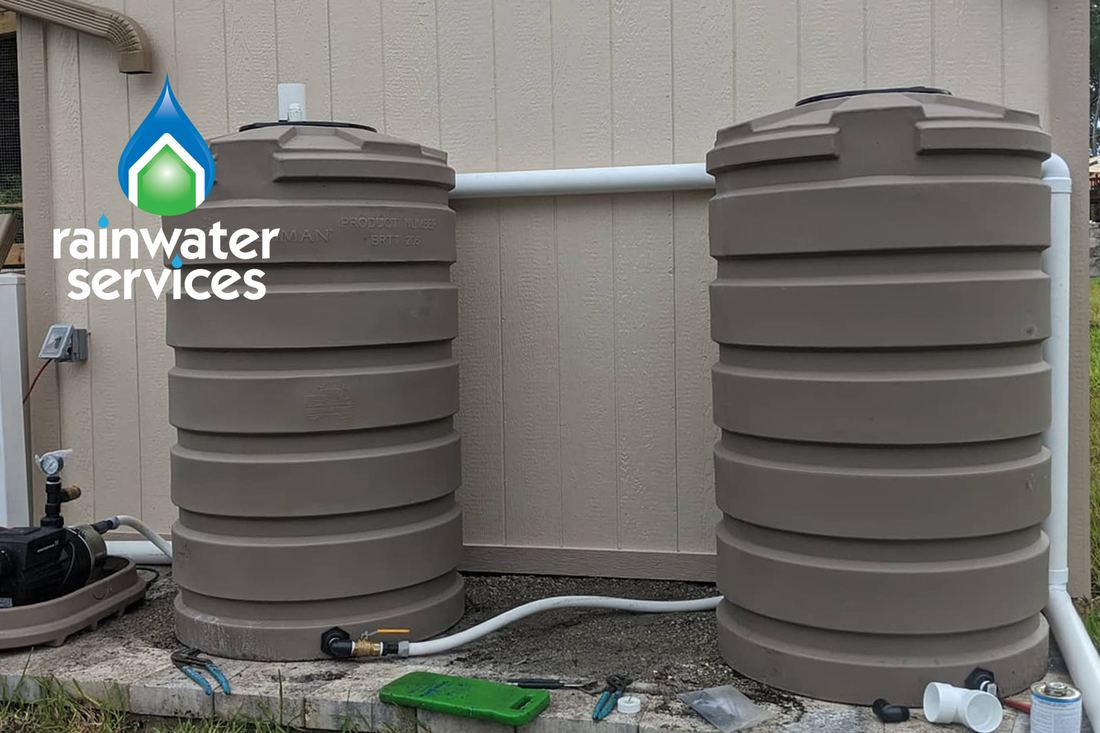
Rainwater harvesting involves collecting and storing rainwater for reuse before it reaches the ground. The system typically consists of a catchment area, conveyance system, storage tanks, and treatment systems, and it ends with the end use of the harvested water. This simple yet effective method can significantly reduce reliance on municipal water systems and serve as a primary or supplementary water source.
Innovative Technologies in Rainwater Harvesting
As technology advances, so do the methods and systems for efficient rainwater harvesting. One of the cutting-edge solutions in this field is modular rainwater harvesting systems. These systems are not only scalable but can also be integrated seamlessly into the architecture of new or existing buildings. Moreover, the advent of smart monitoring systems equipped with IoT sensors represents a major leap in optimizing water usage. These systems monitor weather forecasts, water levels in storage tanks, and water quality, adjusting the use and treatment of harvested water accordingly.
Benefits of Rainwater Harvesting
The advantages of implementing a rainwater harvesting system are manifold:
- Environmental Impact: Reduces the runoff that leads to erosion and water pollution, thus protecting local waterways.
- Economic Efficiency: Lowers water bills by reducing dependency on municipal water supply, especially during drought conditions.
- Resource Optimization: Provides a sustainable source of water for landscaping, flushing toilets, and in some cases, washing machines and other non-potable applications.
Case Studies
Successful rainwater harvesting projects worldwide illustrate the practical benefits and implementation of this system. For instance, a commercial building in Germany uses harvested rainwater for flushing toilets and watering landscapes, significantly reducing its municipal water use. Another example is a residential development in Australia where rainwater harvesting systems supply water for all non-potable uses, slashing water costs and boosting property values.
Regulations and Incentives
Various regions worldwide have developed regulations that promote rainwater harvesting. In some areas, governments offer incentives such as tax breaks, rebates, or subsidies to encourage the adoption of these systems. These initiatives not only support individual efforts but also contribute to the broader goal of water conservation.
Getting Started with Rainwater Harvesting
For those considering rainwater harvesting, the first step is to assess the potential of their property to support such a system. This includes evaluating the roof area, local rainfall patterns, and space for tanks. It’s also important to choose systems that meet specific needs and comply with local regulations. Regular maintenance is crucial to ensure the system’s efficiency and longevity.
Conclusion
Rainwater harvesting stands out as a viable and beneficial option in the pursuit of sustainable water management. By incorporating advanced technologies and systems, individuals and businesses can play a significant part in conserving water resources.