
Preparing Your Landscape Drainage for Florida Hurricane Season
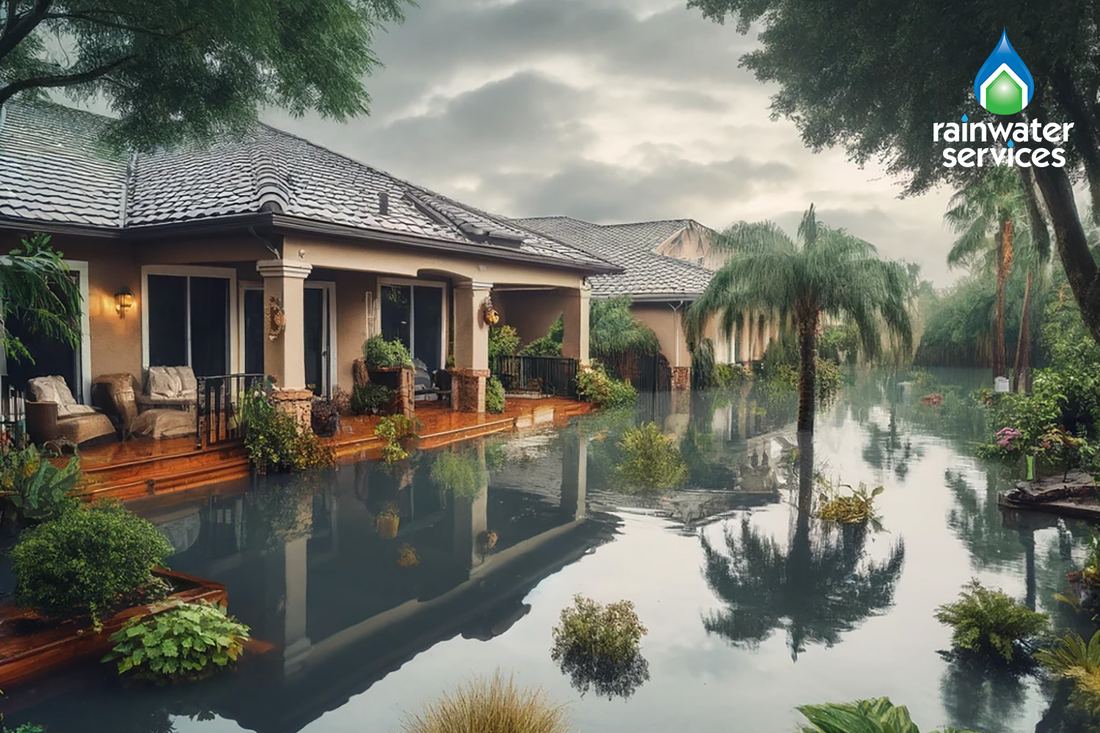
As the Florida hurricane season approaches, ensuring your landscape is prepared to handle heavy rainfall and potential flooding is crucial. Proper landscape drainage can prevent water damage, soil erosion, and other issues that hurricanes can bring. Here’s how you can get your landscape drainage ready for the upcoming hurricane season.
Assess Your Current Drainage System
The first step in preparing for hurricane season is to assess your current drainage system. Look for any signs of poor drainage, such as standing water, soggy areas, or erosion. Check your gutters, downspouts, and drainage pipes to ensure they are clear of debris and functioning properly.
Clean and Maintain Gutters and Downspouts
Gutters and downspouts play a vital role in directing rainwater away from your home and landscape. Make sure they are clean and free of leaves, twigs, and other debris. Consider installing gutter guards to reduce the frequency of cleaning. Ensure that downspouts direct water at least five feet away from your home’s foundation to prevent water damage.
Install French Drains
French drains are an effective solution for areas with poor drainage. They consist of a perforated pipe surrounded by gravel, which helps to redirect water away from problem areas. Installing a French drain can prevent water from pooling in low-lying areas and help protect your landscape from excessive moisture.
Create Swales and Berms
Swales and berms are natural solutions for managing stormwater. A swale is a shallow, sloped channel that directs water away from your property, while a berm is a raised area of soil that can block and redirect water flow. Incorporating swales and berms into your landscape design can help manage runoff and reduce the risk of flooding.
Use Rain Gardens
Rain gardens are landscaped areas designed to absorb and filter rainwater. They are typically planted with native vegetation that can tolerate both wet and dry conditions. Rain gardens not only help with drainage but also enhance the beauty of your landscape and support local wildlife.
Check and Improve Soil Drainage
Soil composition greatly affects drainage. Sandy soils drain quickly, while clay soils retain water. If your soil has poor drainage, consider amending it with organic matter, such as compost, to improve its structure and water-holding capacity. Aerating your lawn can also help enhance drainage by allowing water to penetrate more easily.
Install Dry Wells
Dry wells are underground structures that collect and disperse excess water. They can be used in conjunction with other drainage systems, such as French drains or downspouts. By providing a place for water to slowly seep into the ground, dry wells can help prevent surface flooding and reduce pressure on your .
Regular Maintenance and Monitoring
Regular maintenance and monitoring are essential to ensure your drainage system remains effective. Check your landscape for signs of drainage problems after heavy rainfalls, and address any issues promptly. Keep an eye on weather forecasts during hurricane season, and take proactive measures to protect your property.
Professional Assistance
If you’re unsure about the best drainage solutions for your landscape or need help with installation, consider seeking professional assistance. Landscaping professionals can assess your property, recommend effective drainage solutions, and ensure proper installation.
By taking these steps, you can prepare your landscape drainage for the Florida hurricane season and protect your property from potential water damage. Effective drainage not only safeguards your home but also maintains the health and beauty of your landscape. Stay proactive and ensure your drainage systems are ready to handle whatever the hurricane season may bring.