
A Comprehensive Guide: Preparing Your Florida Irrigation System for the Fall Months
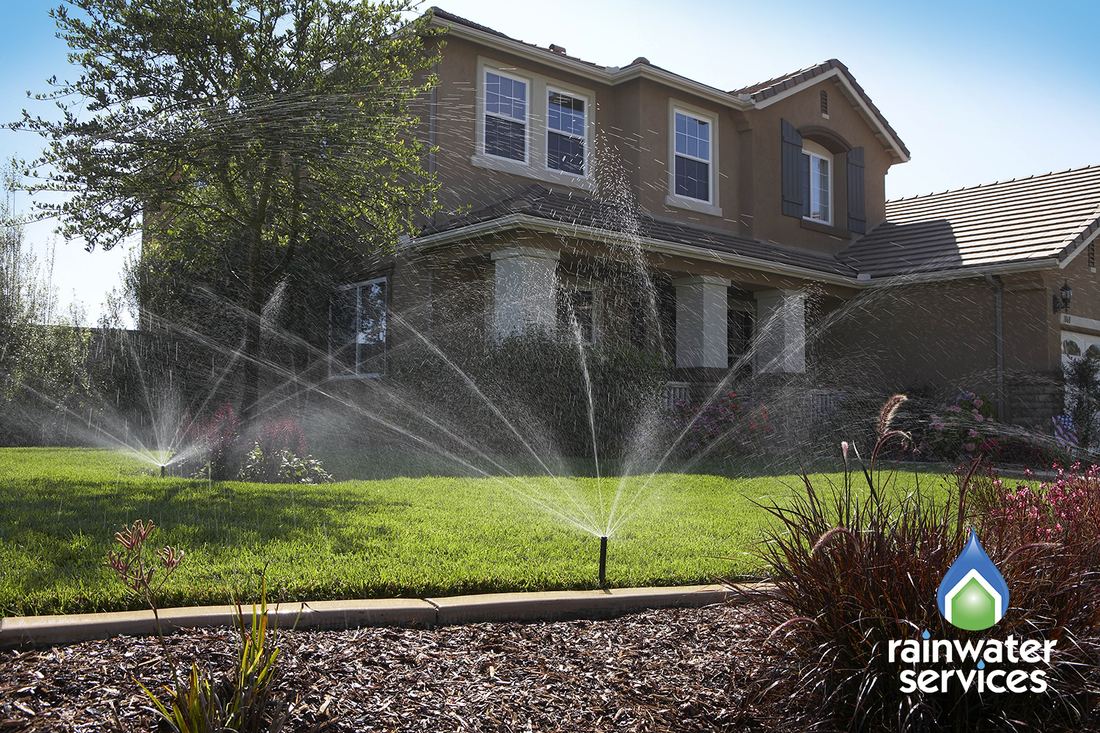
Fall in Florida brings relief from the scorching summer heat, making it an ideal time to prepare your irrigation system for the cooler months ahead. Proper maintenance and adjustments to your system during this transitional season can help conserve water, save money on utility bills, and promote a healthy landscape. In this guide, we will walk you through the essential steps to get your Florida irrigation system ready for the fall.
1. Evaluate Your Landscape’s Watering Needs
Before making any adjustments to your irrigation system, it’s crucial to assess the watering requirements of your landscape. Keep in mind that as temperatures drop and rainfall increases in the fall, your plants and grass may need less water. Florida’s diverse climate and soil conditions mean that different areas of your yard may have varying water needs.
2. Inspect and Clean Your System
Begin by thoroughly inspecting your irrigation system for any visible damage or leaks. Check all components, including pipes, valves, sprinkler heads, and hoses. Clean any clogged nozzles or filters, as debris and sediment can accumulate over the summer months, hindering water flow and efficiency.
3. Adjust Your Irrigation Schedule
As the fall season progresses, adjust your irrigation schedule to align with the changing weather conditions. Most lawns and landscapes in Florida require about 1 to 1.5 inches of water per week, including rainfall. Monitor your local weather forecasts and consider installing a smart irrigation controller that can automatically adjust watering times based on weather data.
4. Upgrade to Smart Irrigation Technology
Investing in smart irrigation technology can be a game-changer for Florida homeowners. These systems use real-time data to optimize watering schedules, ensuring that your landscape receives just the right amount of water. Smart controllers can also be remotely operated from your smartphone, allowing you to make adjustments on the go.
5. Check for Sprinkler Head Efficiency
Inspect each sprinkler head to ensure it is functioning correctly. Replace any broken or damaged heads, and adjust their angles to avoid wasting water on sidewalks or driveways. Ensure that the spray patterns cover the intended areas and that there is no overspray onto structures or hardscapes.
6. Consider Drip Irrigation for Plant Beds
For your plant beds and garden areas, consider installing or maintaining drip irrigation systems. Drip irrigation delivers water directly to the roots of plants, minimizing water waste and promoting healthier growth. Ensure that hoses and emitters are in good condition and properly positioned.
7. Install a Rain Sensor
A rain sensor is a valuable addition to your irrigation system, especially during Florida’s rainy fall season. This device will automatically shut off your irrigation system when it detects rainfall, preventing overwatering and conserving water resources.
8. Adjust for Seasonal Plants
If you have seasonal plants in your landscape, adjust your irrigation system accordingly. Some plants may require more water during their growing season, while others may need less as they go dormant. Be attentive to the specific needs of your garden to avoid overwatering or underwatering.
9. Perform Routine Maintenance
Make fall maintenance of your irrigation system a yearly routine. Regularly check for leaks, clogs, and damaged components. Lubricate moving parts, such as valves and sprinkler heads, to ensure they operate smoothly. Additionally, winterize your system if you live in a part of Florida that experiences freezing temperatures.
Conclusion
Preparing your Florida irrigation system for the fall months is essential for maintaining a healthy, efficient, and cost-effective landscape. By following these steps and staying vigilant about your system’s performance, you can conserve water, save money, and ensure that your lawn and garden thrive throughout the fall and beyond. Proper irrigation management will not only benefit your landscape but also contribute to the sustainability of Florida’s water resources.